 Independent Arts News Reporting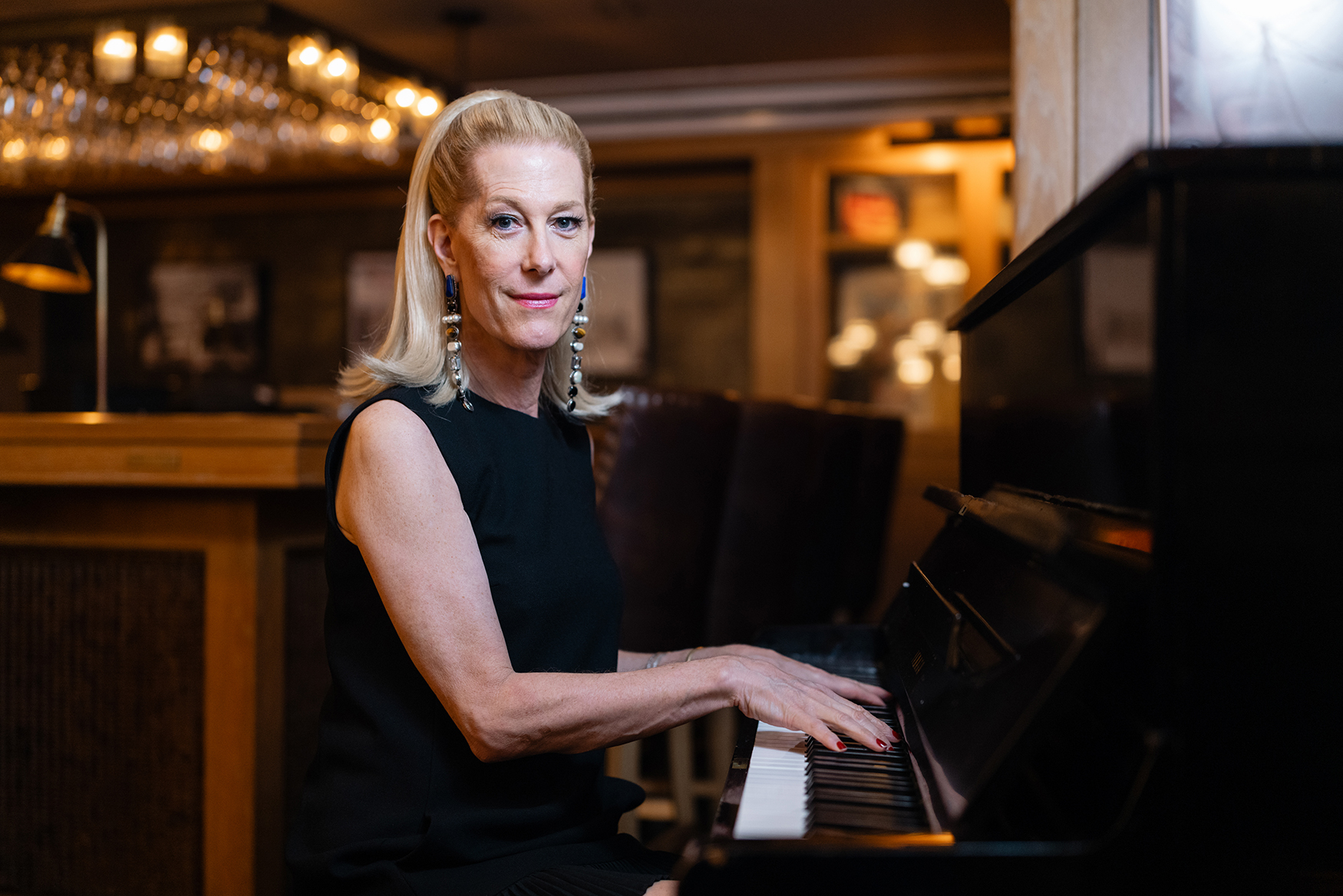
Pictured Above: Justin Vivian Bond. Photo Credit: John D. and Catherine T. MacArthur Foundation.
"Complications in Sue" with Opera Philadelphia
By: Lori Goldstein
In its 50th anniversary season, Opera Philadelphia’s slogan is “Opera, but different.” That’s exactly what general director Anthony Roth Costanzo aims for with the world premiere of Complications in Sue, which will run February 4-8 at the Academy of Music. The opera features MacArthur Genius and cabaret icon Justin Vivian Bond, whose idea it was to explore the complex life of a woman named Sue–with a libretto by Pulitzer Prize and Tony Award-winning Michael R. Jackson, and the music of not one, but ten different contemporary composers.
Complications in Sue emerged in an atypical way. Normally an opera arises from the music of a composer, who may take several years to complete his or her work, then a librettist is found. But time was of the essence to have a new opera ready to commemorate the 50th anniversary. Thus, Anthony came up with the idea of having ten composers each contribute just eight minutes of music, which sets a precedent for even contemporary opera.
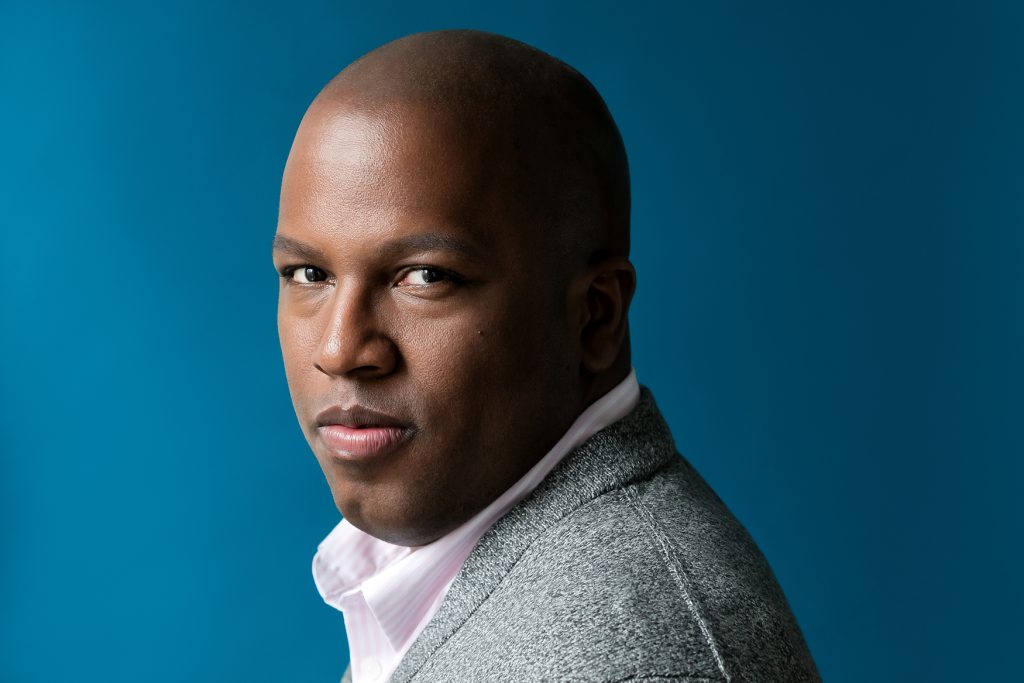
Pictured Above: Michael R. Jackson. Photo Credit: Beowulf Sheehan.
It was Michael who came up with the concept of the opera as a story of the ten decades of Sue’s life, from birth to death. In reverse order of how an opera usually comes into being, the libretto was written first; then the composers were tasked with writing music for the decade to which they were assigned. They received the libretto for their assigned decade, but only a synopsis of the whole libretto.
“It’s been a thrilling process, and it’s based on the model of cadaver exquis, the Exquisite Corpse, which was a parlor game the Surrealists used to play,” explains Anthony. “They would fold a paper up into three parts. One artist would draw the head, then they would fold that down. Another artist would draw the body, not having seen the head, and then a [third] artist would draw the legs. Picasso and [his peers] would play this game, and it made an artwork that was so fresh and so different from anything else that an individual artist would have made.”
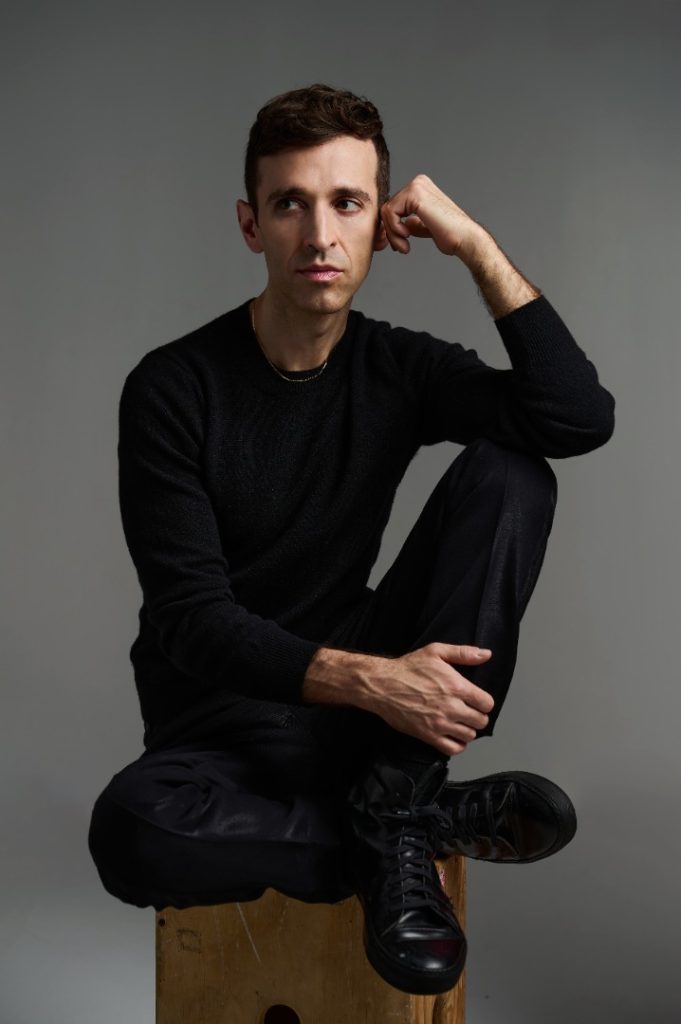
Pictured Above: Anthony Roth Costanzo. Photo Credit: Lisa Pavlova.
Michael had expressed to Anthony an interest in writing an opera libretto several years ago, so it was a natural choice to enlist him. While not an opera connoisseur, Michael recalls that when he was 11 or 12 years old, he sang as a chorus child in Turandot. Because of the way rehearsals are run, seeing just the scenes in which he was cast, it wasn’t until Michael was an adult that he got to see its full performance.
When Michael was in musical theater school, a teacher introduced “us to some operas, and I really went nuts for Jackie O and Nixon in China. Those are the two operas that I thought, oh wow, if opera can do this, I’m interested in that.” He was intrigued by the ways language was used, by the repetition, by the focus on current events.
Since they were working with ten different composers, “that suggested there wouldn’t be necessarily one musical through-line, but that the through-line would be the character, Sue,” says Michael. “We go into Sue’s mind, people are in her brain, and then people are outside singing about her. That’s a big theme throughout, of the internal versus the external.”
Naturally he’s reluctant to reveal a detailed story of Sue’s life. The decades provide snapshots of pivotal moments, with Vivian as Sue onstage throughout but singing minimally, with four stellar operatic singers representing people and figures in her life. “Some of it is imaginary or abstract, and some of it is more concrete.”
Working in conjunction with Vivian, Michael “wrote this incredible libretto. It’s so accomplished, it’s funny and brilliant and deep, but with very few words. It’s kind of remarkable,” says Anthony. “Michael is obviously an incredibly complex thinker. I’m trying to think of a way to describe him. He is a voice of today, both in [his] humor and in [his] pop culture, and I feel like that’s something we don’t hear a lot in opera. I wanted to see if we could find a new vocabulary for opera, and I feel like Michael has done that really successfully.”
Michael was famous for the 18 years he took to write A Strange Loop, creating it at first as a monologue in 2002, when he was 21 years old. Premiering off-Broadway in 2019, the musical won the 2020 Pulitzer Prize for Drama. On Broadway in 2022, A Strange Loop won the Tony Award for Best Musical.
Miraculously, Michael delivered the libretto for Complications in Sue in less than a year; he started writing it in the spring of 2025. Some revisions were made before it went to the composers, who had some questions and thoughts of their own. He made changes accordingly and expects there to be more when rehearsals get underway in January.
“This was probably the fastest thing I’ve ever written, which was exciting to me. And exciting because I have been feeling a little frustrated about the musical theater world. It was nice to just feel like an idea can be presented, I can go away and work on it and write it. I send it in and the composers get their libretti and do their thing. We do a workshop, and then we’re in rehearsal, and then we do it. There’s nobody along the way [saying] you can’t do that, it’s not commercial–all the things that you hear all day long in the musical theater world.”
When I asked Michael what aspects of himself does he see in the opera, he replies, “I have a lot of big feelings about the world that we live in, and anything I write is always a vehicle for things that I’m thinking about or worried about, but marrying that to a character or characters and seeing what they say about it. And so, I would say I am Sue. I am the complications in Sue. You know, the complications that ensue are in me.”
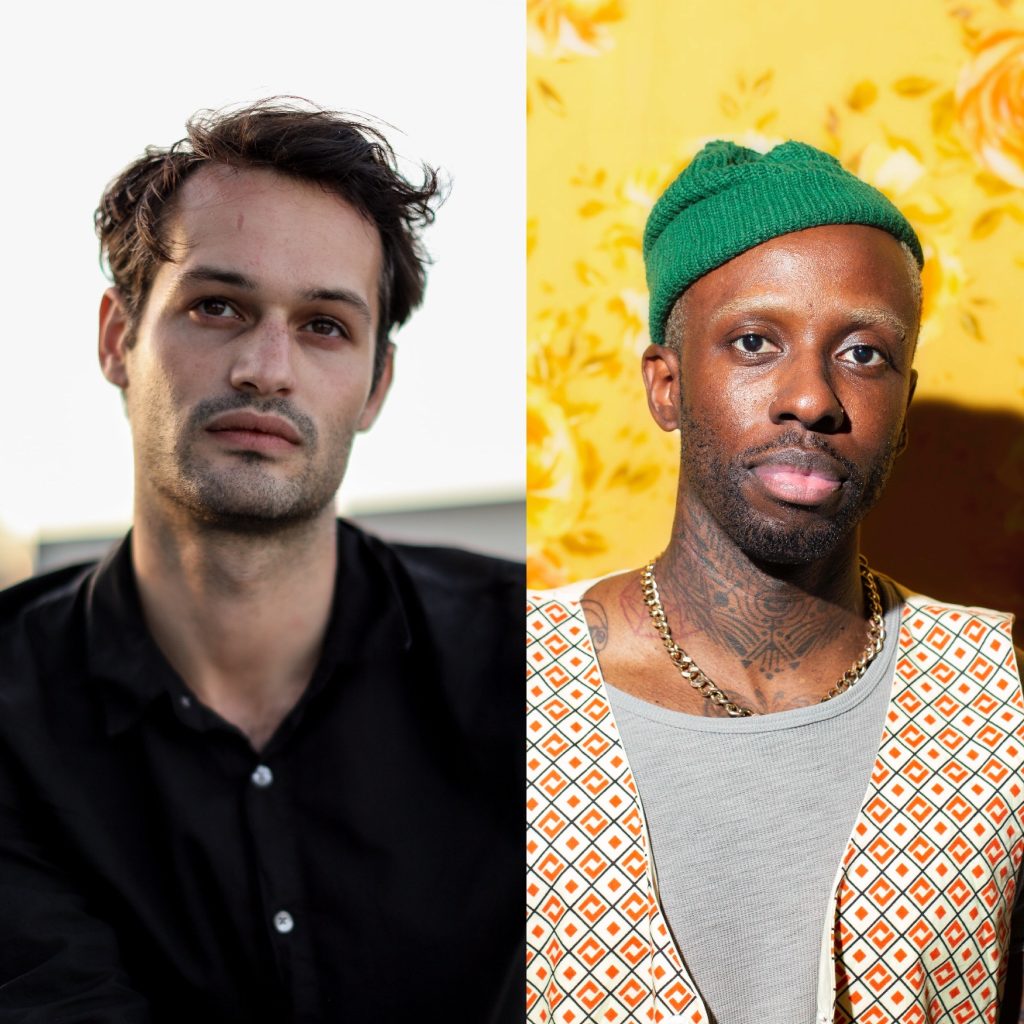
Pictured Above: Directors Zack Winokur, photo by JJ Geiger. Raja Feather Kelly, photo by Adam Olsson.
“But it’s also Viv, Zack Winokur and Raja Feather Kelly [the directors], and the team. It’s also hopefully a reflection of reality. And that was another reason why my challenge to myself was, can I write these vignettes with a legibility that can reach across the proscenium.”
“To me, [the title] means the complications within this woman. The struggles, the fantasies, the contradictions, the fears, the dreams—all of it swirling about in one cauldron of a woman. Complications ensue,” says Michael, and I finally get the pun.
The choice of composers was Anthony’s, and it was a careful one. He naturally first thought of Grammy nominee Nathalie Joachim, Opera Philadelphia’s current composer-in-residence. And considering that Complications in Sue commemorates the company’s 50th anniversary, Anthony wanted to include composers who represent its past, present, and future. During Missy Mazzoli’s residence from 2012-2015, the company premiered her Breaking the Waves in 2016, and more recently, The Listeners premiered in the 2022 season.
Missy was asked to compose music for the second decade of Sue’s life. The entire scene is a conversation between Santa Claus and Mrs. Claus. Santa is having a crisis of faith, he doesn’t think kids believe in him anymore, and he fears AI will replace him.
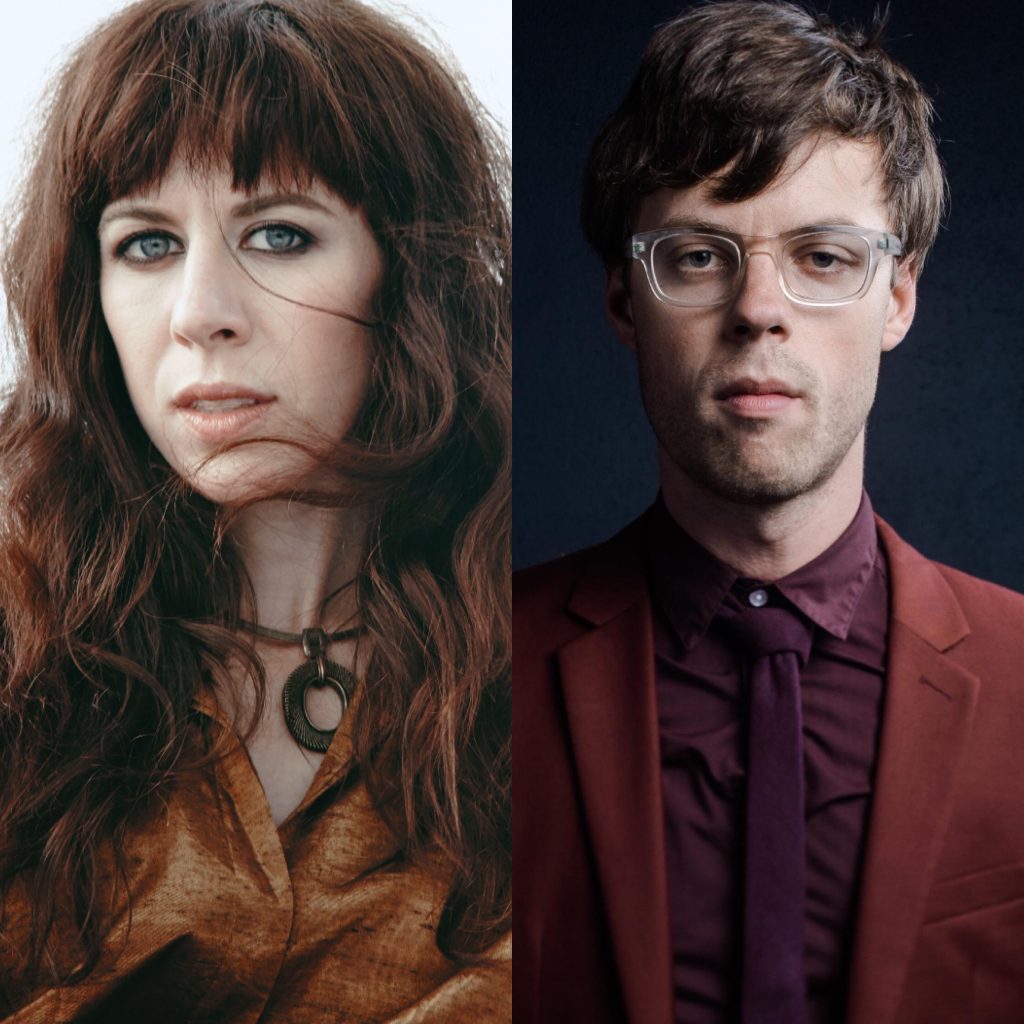
Pictured Above: Composers, L-R: Missy Mazzoli, photo by Marylene Mey. Dan Schlosberg, photo contributed.
His wife reminds him “there’s this ten-year-old named Sue, and if she can believe in him, then we can believe in her, and we can all believe in Christmas. The whole [scene] is just very funny [with Santa and Mrs. Claus] singing on top of each other,” says Missy.
Using expansive instrumentation, including sleigh bells, of course, and “crazy effects in the brass that are comical,” Missy says, “Michael’s imagination encourages you to be a maximalist…It’s like an everything-in-the-kitchen-sink kind of project. It was great to be given the freedom to let loose.”
Other Opera Philadelphia composers include Nico Muhly, whose Dark Sisters premiered in 2012 and Rene Orth, who, with a three-year residency tenure, composed 10 Days in a Madhouse, which won the 2024 Best New Opera Award from the Music Critics Association of North America. Muhly and Orth “felt like no-brainers,” says Anthony.
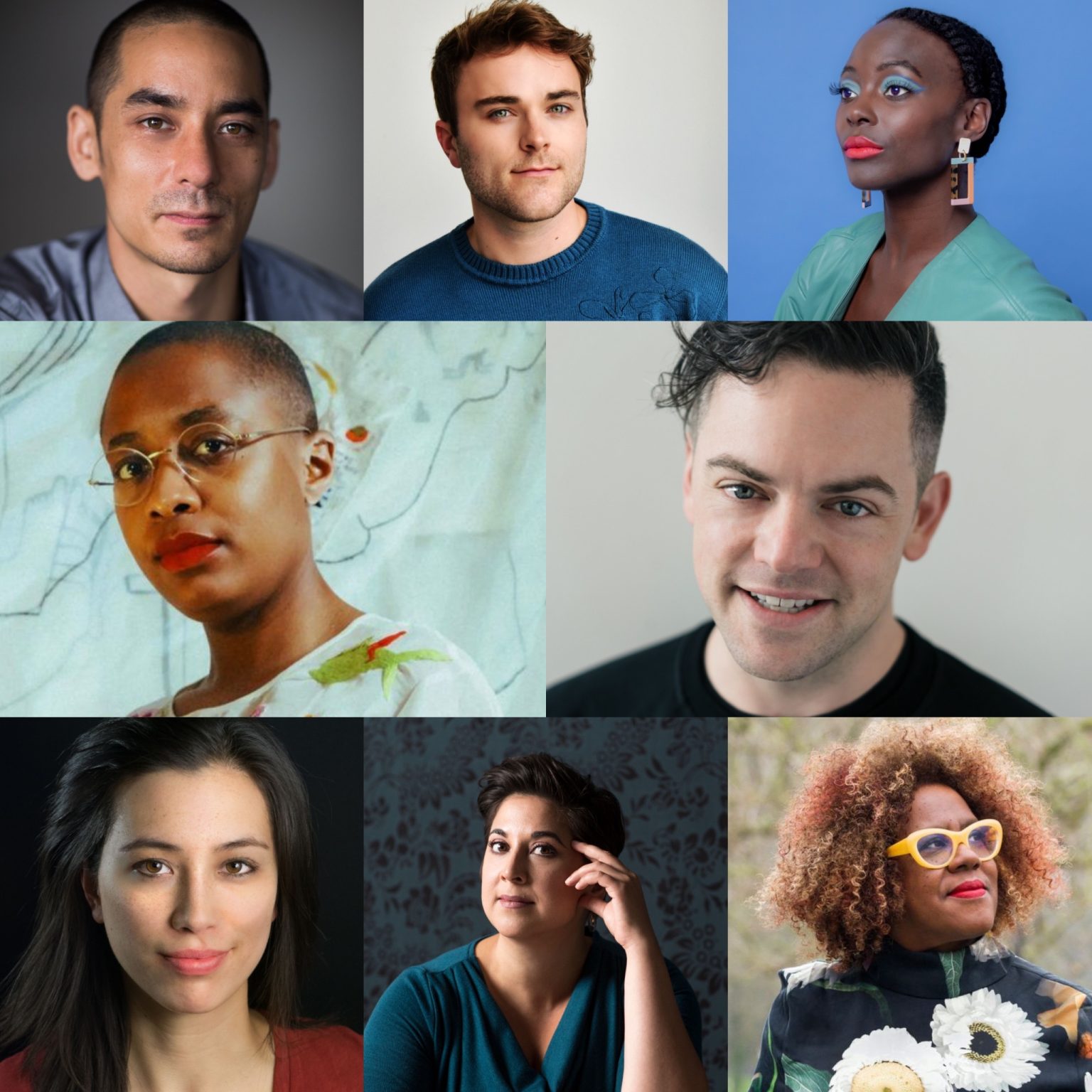
Pictured Above: Composers clockwise from top left: Andy Akiho, photo contributed. Alistair Coleman, photo by Shervin Lainez. Nathalie Joachim photo by Erin Patrice O’Brien. Cécile McLorin Salvant, photo contributed. Nico Muhly, photo by Heidi Solander. Rene Orth, photo by Andrew Bogard. Kamala Sankaram, photo by Dario Acosta. Errollyn Wallen, photo by Paul Tucker.
“I wanted to have some people who are associated with Philadelphia, like Dan Schlosberg, who was born here,” says Anthony. Dan music directed Anthony and Vivian in Only an Octave Apart as well as arranged and music directed Little Island’s Anthony Roth Costanzo is The Marriage of Figaro. Alistair Coleman, who as composer-in-residence of Young Concert Artists has premiered works at Carnegie Hall, the Kennedy Center, and Lincoln Center. “Alistair went to Curtis and cut his compositional teeth there,” says Anthony.
“I also wanted to go far and wide and explore different styles,” so he asked French-American Cécile McLorin Salvant, the jazz singer/composer, and Andy Akiho, the virtuoso percussionist and Grammy-nominated composer who began as a steel pannist, to compose their first-ever operatic music. Ankala Sankaram, an opera composer who also happens to be a coloratura soprano, has influences that range from Braxton to Strauss to Radiohead, Pink Floyd, and Bollywood.
“And to get a veteran operatic composer like Errollyn Wallen, who’s the King’s composer in London and a phenomenal voice—to occupy different poles, but people I felt would somehow be unified. Miraculously, as different as everyone is, we’ve been able to accomplish that, at least from what I can tell so far from the workshop,” says Anthony.
Vivian’s presence onstage is the dramatic focal point of the opera. “She is truly one of the great performers of our time, [with] an authenticity heightened by spectacle, which she can whip up in a way that is very unusual,” says Anthony. “I have rarely been so enthralled than seeing Viv’s performances…she’s in her zenith era.”
Dan Schlosberg agrees: Vivian is “completely magnetic as a stage performer. She will bring her glamour and her insane humor. She can’t walk on stage and not be funny.”
Dan’s assignment was to compose music for Sue in her ‘40s. The libretto is a monologue sung by one of her ex-boyfriends. He’s calling from a payphone and leaves Sue a voice message since she doesn’t pick up.
“He’s trying to acknowledge her birthday in a kind way, and then it really goes off the rails,” as he expresses his regret over leaving her. “He hasn’t gotten over her. He might not have ultimately thought he was going to say some of these things, and then they just start coming out. He definitely unravels,” explains Dan.
The music he’s written for the monologue is “a lot of things,” says Dan. “It’s driving, it’s bombastic, it’s jazzy, romantic, passionate, it’s sparkling effervescence in certain ways. I just tried to track the sharp changes that he goes through—[there’s] schizophrenia in the music, and that’s what I love personally as a composer.”
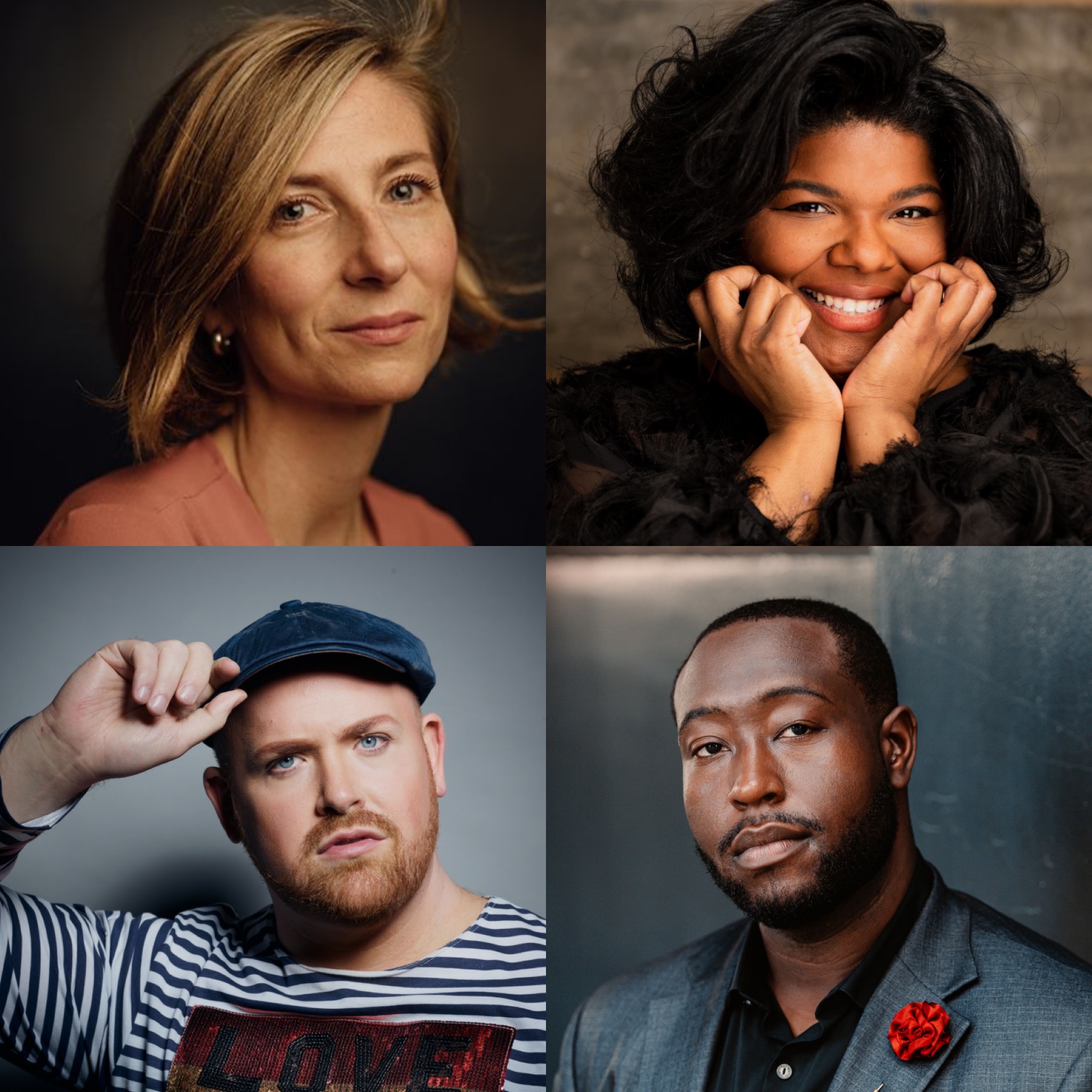
Pictured Above, Top L: Soprano Kiera Duffy, Photo by Grant Beachy. Top R: Mezzo-soprano Rehanna Thelwell, photo by Caitlin Oldham. Bottom Left: Tenor Nicky Spence, photo by Ki Price. Bottom Right: Bass-baritone Nicholas Newton, photo by Jiyang Chen.
Singing the various roles that reflect the myriad aspects of Sue’s life and identity are three Opera Philadelphia favorites: soprano Kiera Duffy, who sang the leading role of Bess McNeill in Breaking the Waves; mezzo-soprano Rehanna Thelwell, who starred as Angela in The Listeners; bass-baritone Nicholas Newton, who recently sang the role of Leporello in Don Giovanni. Anthony is also excited about ‘importing’ Scotsman Nicky Spence, “one of the great tenors of our time.”
The person who will be pulling all the vocal and orchestral forces together is Grammy-winning Caren Levine, assistant conductor of the Metropolitan Opera. She will be making her Opera Philadelphia debut with Complications in Sue. “Caren’s one of the best musicians I’ve ever met, a great pianist, and she is able to ‘direct traffic’ like nobody else,” says Anthony. “I couldn’t think of anyone better to deal with ten different stylistic voices and unify them all together. She’s a powerhouse, she will know the music better than the composers themselves, so it’s very exciting in that way.”
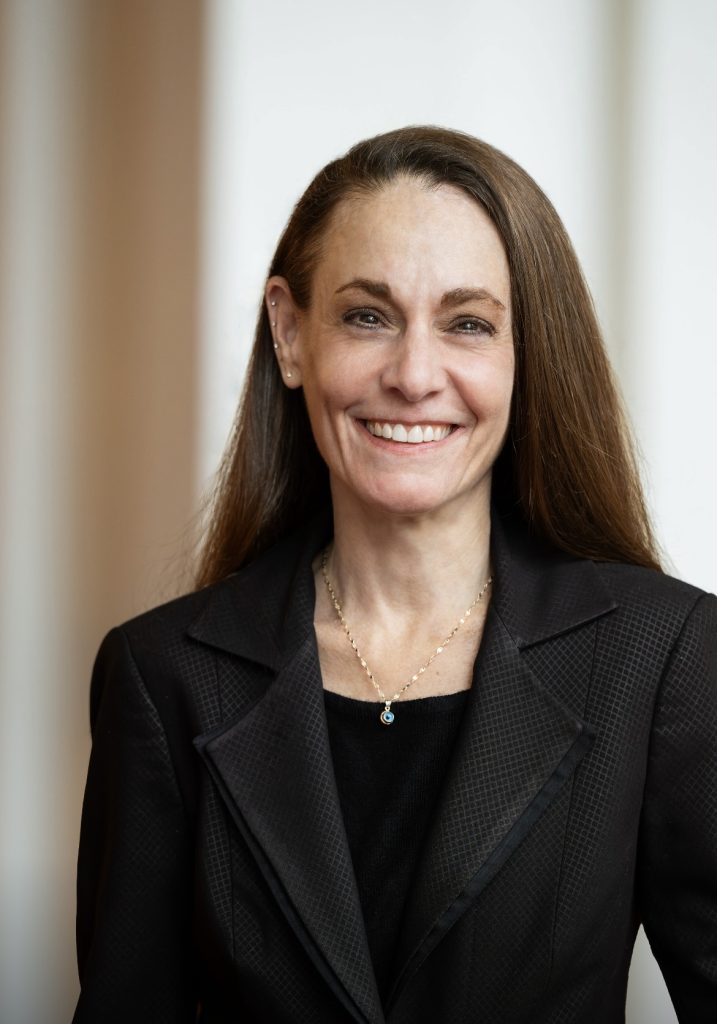
Pictured Above: Conductor, Caren Levine. Photo Credit: Jonathan Tichler.
Of utmost importance to Anthony is “to always be bringing new perspectives to opera,” be it Michael R. Jackson or Cécile McLaurin Salvant, for example, who have never written for opera before. Complications in Sue is “one of the most exciting of our season for me, because it represents collaboration that is wonderful on such a deep level.”
Performances of Complications in Sue will occur February 4-8 at the Academy of Music. It will be performed in English with English supertitles. Tickets are available at operaphiladelphia.org.